
Short answer
Stucco around ADUs, additions, and new openings succeeds when framing, sheathing, weather-management details, flashing, accessories, patch boundaries, and finish expectations are coordinated before the wall is closed.
01 / Stucco
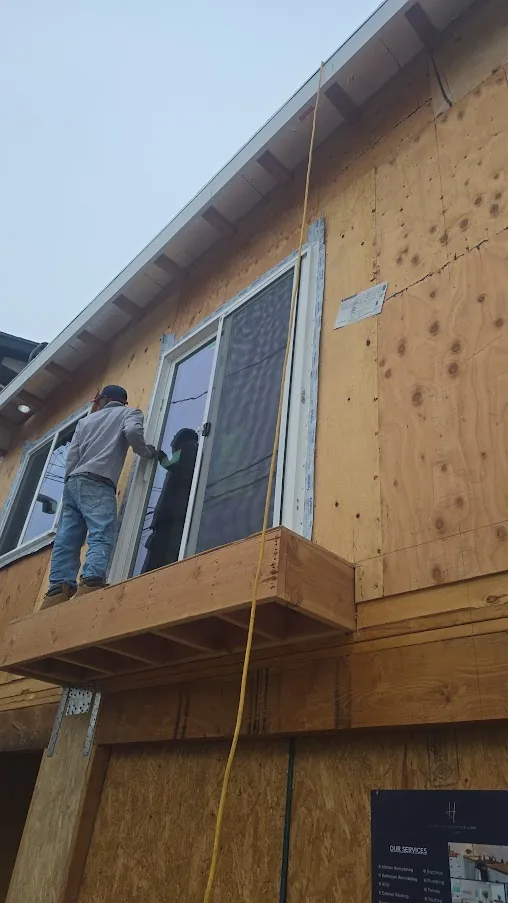
New openings affect more than the finish
A window or door change can involve framing, sheathing, flashings, weather-resistive layers, lath, accessories, sealant joints, trim, interior finishes, and painting. The project team should define who owns each interface.
Opening dimensions and product details should be current before repair boundaries and exterior sequencing are finalized.
02 / Stucco
Additions create a new-to-existing wall transition
The existing wall may have a different substrate, thickness, texture, coating history, or plane than the new assembly. Tie-in details and finish breaks should be resolved with the approved project information.
Trying to hide every transition within one continuous field may be unrealistic. A deliberate reveal, corner, trim, or broader finish area can sometimes create a cleaner result, subject to the design.
- Existing and new wall thickness
- Roof and deck intersections
- Finish break or blend strategy
- Access and occupied-property protection
03 / Stucco
ADU conversions may inherit prior alterations
Converted garages and accessory spaces often contain older openings, infill, vents, utilities, coatings, or repairs. Wide and close photographs help, but selective exposure may be necessary to understand the wall before committing to a narrow patch.
Permit, design, structural, and code-specific decisions belong with the project’s responsible professionals.
04 / Stucco
Sequence the exterior before interior closeout
Water-management and opening details should be resolved before drywall, trim, and paint make access or diagnosis more disruptive. Exterior and interior crews also need agreed protection and tolerance expectations around the opening.
A walkthrough with current drawings and product information can surface missing flashings, backing, trim decisions, and finish boundaries early.
Field checklist
Opening and tie-in review
- Current opening sizes and product information
- Framing and sheathing status
- Flashing and weather-layer details
- Existing wall thickness, texture, and coatings
- Approved transition or finish-break strategy
- Interior and exterior protection responsibilities
Stucco FAQ
Questions project teams ask
Can stucco be patched only around a replacement window?
Sometimes, but the soundness of the existing assembly, flashing approach, opening change, texture, coating, and realistic match boundary must be reviewed.
Will new addition stucco match the existing house?
A close visual relationship may be achievable, but age, texture, paint, sun exposure, and substrate differences can remain visible. Samples and intentional breaks help set expectations.
Should interior drywall wait for exterior opening work?
The project team should coordinate the sequence so exterior water-management details and required reviews are complete before interior finishes limit access or conceal related conditions.