
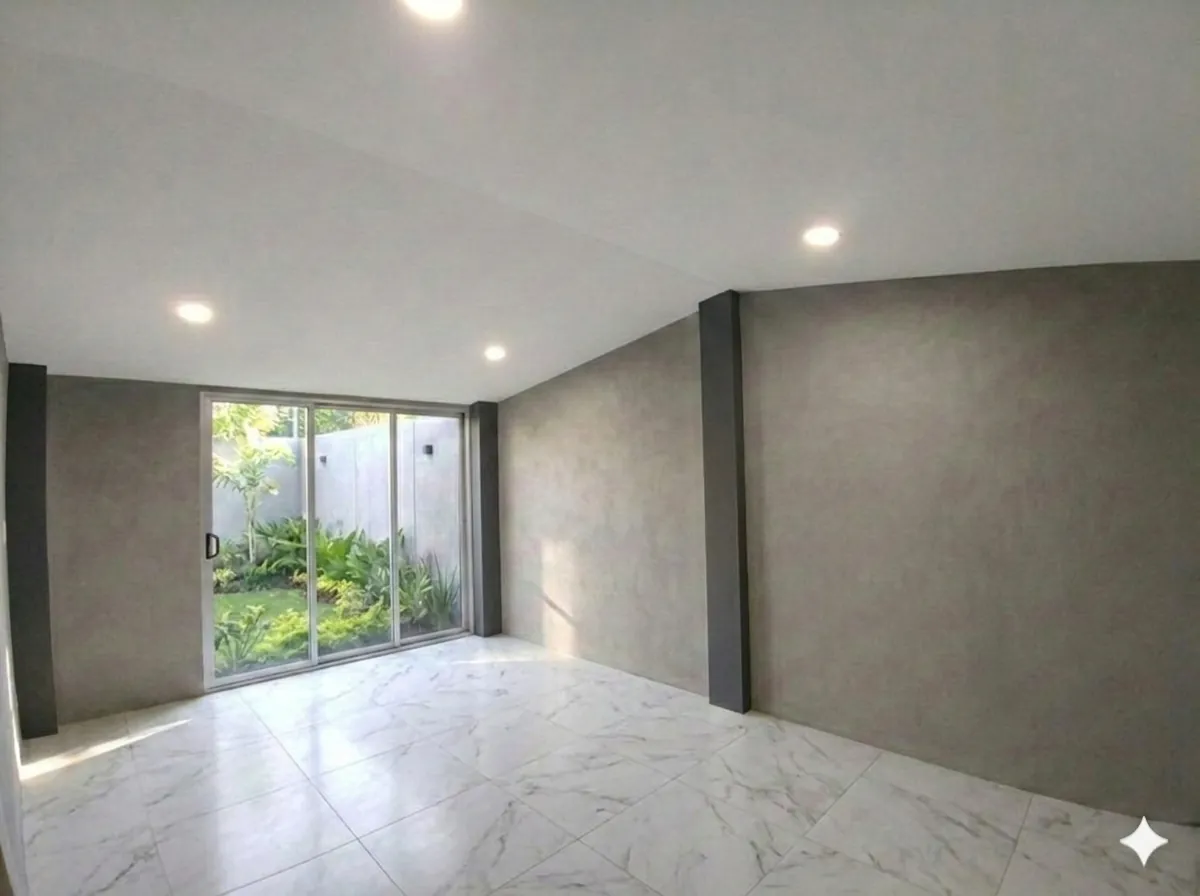
Short answer
Level 4 is a common finished-joint condition for many decorated surfaces, while Level 5 adds a skim treatment over the board surface to reduce visual differences. The correct level depends on the specification, lighting, paint, texture, and expected appearance.
01 / Drywall
Level 4 and Level 5 address different appearance needs
A Level 4 finish typically includes finished joints, fasteners, and accessories suitable for many paint and texture conditions. A Level 5 finish adds a skim treatment across the board surface to help equalize texture and porosity.
The contract documents should define the required level and any exceptions by room or surface. A verbal request for “smooth walls” is not precise enough for procurement or closeout.
02 / Drywall
Lighting can matter as much as the finish label
Large windows, wall-washing fixtures, long corridors, glossy paint, and dark colors can reveal joints, fasteners, framing variation, and surface texture. These conditions should be discussed before board installation and finishing.
Temporary lighting used during finishing may not reproduce the final design. A representative mockup under intended lighting gives the team a better reference.
- Wall-wash and grazing-light locations
- Paint sheen and dark or saturated colors
- Large uninterrupted walls and ceilings
- Final fixture and daylight conditions
03 / Drywall
Finish level does not correct framing tolerance by itself
Board follows the substrate. Bowed studs, misaligned framing, crowded utilities, inconsistent backing, and poorly planned control conditions can remain visible after finishing.
Review framing plane, board layout, butt joints, corner conditions, reveals, and transitions before expecting compound to correct underlying geometry.
04 / Drywall
Use samples and acceptance criteria
A sample area can establish board, joint, skim, primer, paint, texture, and lighting expectations. The team should agree when and how the work will be reviewed and which later trade can affect the finished surface.
Confirm project-specific product and finish requirements with the design team, manufacturer, and contract documents.
Field checklist
Define the finish before pricing
- Required finish level by room or surface
- Texture, primer, paint color, and sheen
- Critical lighting and large wall conditions
- Framing plane and board-layout expectations
- Mockup size, location, and approval process
- Protection through painting and closeout
Drywall FAQ
Questions project teams ask
Is Level 5 perfectly smooth?
It is a higher uniformity finish, but it does not guarantee a perfectly flat substrate or make every surface invisible under extreme lighting. Project expectations should be defined with samples.
Does every wall need Level 5?
No. The appropriate level depends on the specification, decoration, lighting, location, and expected appearance.
Can Level 5 be added after Level 4?
It may be possible depending on the surface and project requirements, but the added preparation, schedule, protection, and finish system should be evaluated before proceeding.