
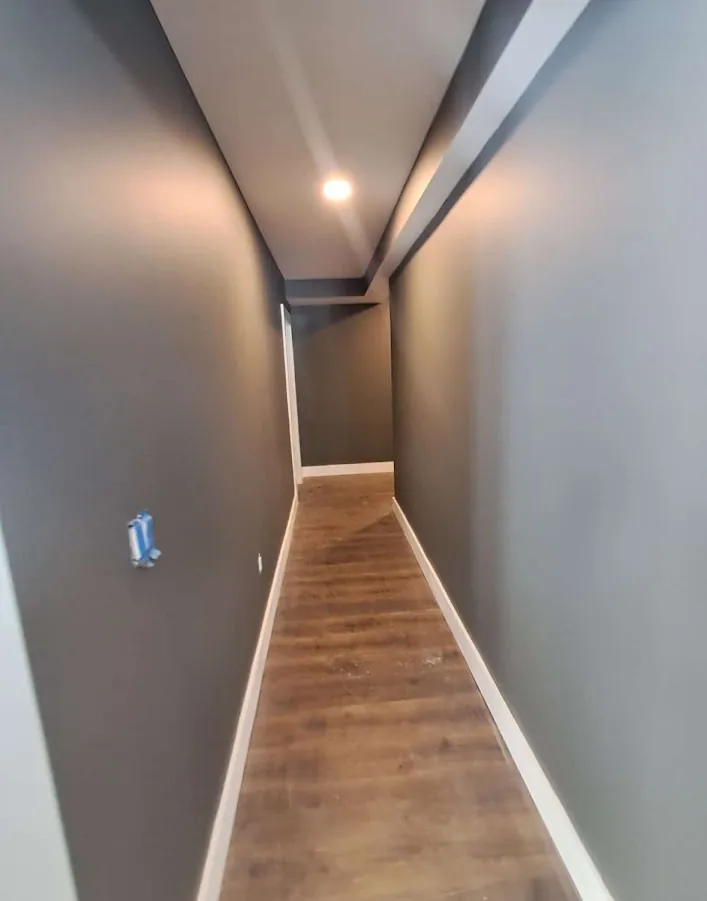
Short answer
Common closeout failures include reviewing under the wrong light, incomplete sanding or dust removal, damaged corners, missed fasteners, inconsistent texture, wet areas, unresolved transitions, and allowing later trades to damage accepted work.
01 / Drywall
Inspect under representative conditions
A wall viewed only under a handheld work light may not resemble its final appearance, while extreme side-lighting can exaggerate conditions beyond normal use. The team should agree on representative lighting and viewing expectations.
Critical-light walls, dark colors, and higher-sheen paint deserve special attention before the painter mobilizes.
02 / Drywall
Finish preparation is a coordinated handoff
Joints, fasteners, corners, accessories, texture, sanding, and dust removal should meet the specified finish before primer. Surfaces also need to be dry and protected from ongoing wet work or leaks.
Primer and paint can reveal differences in porosity and surface preparation. A mockup that includes the actual coating system is more useful than reviewing compound alone.
- Corners, beads, reveals, and control conditions
- Fasteners, joints, sanding, and surface dust
- Texture consistency and repair blending
- Moisture, leaks, and environmental stability
03 / Drywall
Separate trade corrections from later damage
Millwork, electrical trim, flooring, doors, fixtures, equipment, movers, and final cleaning can dent board, chip corners, or mark finished walls. Record the drywall handoff and assign protection responsibilities.
A dated area-by-area review reduces arguments about when damage occurred and helps the team sequence repairs before final coatings.
04 / Drywall
Close punch items in the right order
Resolve substrate movement, water, missing access, or incomplete adjacent work before repeatedly patching the visible symptom. Coordinate final drywall touch-ups with primer, paint, caulk, cleaning, and owner inspections.
The project specification and design team should define finish acceptance. Code- or assembly-specific questions should be confirmed with the appropriate professionals.
Field checklist
Drywall-to-paint handoff
- Specified finish and approved mockup identified
- Representative lighting available for review
- Joints, fasteners, corners, texture, and sanding complete
- Surface dry, clean, and ready for the coating system
- Later-trade access and wall protection planned
- Punch ownership and final touch-up sequence documented
Drywall FAQ
Questions project teams ask
Should the painter fix drywall imperfections?
Scope responsibility should be defined before work begins. The painter may identify surface conditions, but drywall and coating corrections should be assigned clearly rather than assumed.
Why do joints appear after painting?
Lighting, paint sheen, color, porosity differences, substrate plane, sanding, primer, and joint finishing can all contribute. The full finish system should be reviewed.
When should the final drywall punch occur?
Use an initial handoff before primer and a controlled final touch-up after high-risk adjacent work, with enough time for curing, sanding, cleaning, and coating.