
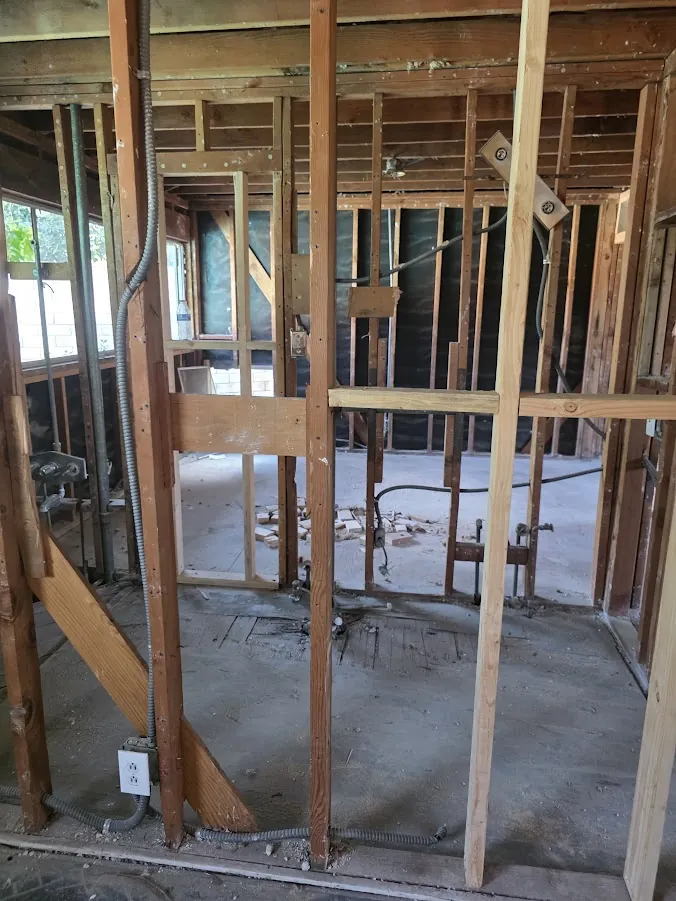
Short answer
Before committing a framing start, confirm the current plan set, foundation and site readiness, material responsibility, access, open structural questions, required hardware, inspection status, and the dates that follow framing.
01 / Framing
Confirm the documents and decision log
The crew should know which architectural and structural sheets control the work. Revisions, sketches, RFIs, substitutions, and field decisions need one current location rather than being distributed across texts and outdated print sets.
Open questions should be separated into items that block layout, items that block only a later area, and items that can be resolved during production without risking rework.
02 / Framing
Verify the physical work front
Review foundation dimensions and readiness, anchor and embed conditions, slab access, excavation or backfill status, temporary safety provisions, and whether other trades or stored materials occupy the work area.
Confirm where lumber, panels, hardware, tools, waste, and deliveries can go. Tight Los Angeles lots can turn an otherwise ordinary start into a logistics problem.
- Clear access and staging zone
- Confirmed material drop locations
- Power and site-security plan
- Protection for occupied or retained areas
03 / Framing
Define material and scope responsibility
Avoid assumptions about who supplies lumber, sheathing, connectors, fasteners, temporary bracing, equipment, disposal, and small hardware. Confirm lead times and compare the takeoff to the current drawings.
The scope should also identify exclusions such as engineering, survey, special inspection, demolition, waterproofing, window installation, firestopping, or backing that belongs to another trade.
04 / Framing
Schedule the handoffs, not only the start
A framing start should connect to rough-trade layout, inspections, window and door decisions, exterior protection, and follow-on work. If the next inspection or material delivery cannot occur, pushing production faster may simply create exposure or congestion.
Confirm project-specific code and inspection requirements with the project professionals and authority having jurisdiction.
Field checklist
Framing-ready gate
- Current plans distributed and obsolete sets removed
- Foundation or prior work accepted for the planned start
- Open RFIs assigned with required-by dates
- Materials, hardware, equipment, and disposal responsibilities clear
- Site access, staging, protection, and working hours confirmed
- Rough-trade, inspection, and enclosure handoffs scheduled
Framing FAQ
Questions project teams ask
How far ahead should framing be scheduled?
Lead time depends on scope, crew availability, material procurement, and how complete the project information is. The best approach is to discuss the target window early and confirm the start only after readiness items are tracked.
Should all materials be onsite before framing begins?
Not always, but the sequence and delivery plan should prevent critical shortages. Bulky material may be phased when site space is limited.
What is the most common scheduling mistake?
Treating a calendar date as proof that the work front is ready. Missing revisions, unresolved details, blocked access, or incomplete prior work can stop production immediately.